
Online Domestic Violence Support Networks: Finding Strength Together
- voiceless paws
- Apr 28
- 4 min read

When life throws you into a tough spot, especially one as challenging as domestic violence, finding a safe space to share, learn, and heal can feel like searching for a needle in a haystack. But guess what? You’re not alone. Thanks to the power of the internet, online domestic violence support networks have become a beacon of hope for many. These virtual communities offer a lifeline, connecting you with others who truly get it, providing resources, and helping you take those crucial steps toward safety and recovery.
Let’s dive into how these online support groups work, why they’re so valuable, and how you can tap into them to find the support you deserve.
Why Online Support Groups Are a Game-Changer
You might be wondering, “Why should I consider an online support group?” Well, there are some pretty compelling reasons. First off, online support groups break down barriers like distance, transportation, and even fear of judgment. You can join from the comfort of your own home, at any time that suits you. No need to worry about who might see you walking into a building or overhear your conversation.
Plus, these groups often offer anonymity, which can be a huge relief when you’re dealing with something so personal and sensitive. You get to share your story, ask questions, and receive advice without the pressure of face-to-face interaction. It’s like having a supportive friend who’s always just a click away.
Here’s what you can expect from these groups:
Peer support: Connect with others who understand your experience.
Professional guidance: Access to counselors or advocates who can provide expert advice.
Resource sharing: Information on shelters, legal help, and safety planning.
Empowerment: Tools and encouragement to regain control over your life.

What Are the 4 Types of Domestic Abuse?
Understanding the different forms of domestic abuse is key to recognizing it and seeking help. Abuse isn’t just physical - it can sneak in many disguises. Here are the four main types:
Physical Abuse
This is the most visible form - hitting, slapping, choking, or any kind of physical harm. It’s scary and dangerous, but it’s only one piece of the puzzle.
Emotional Abuse
This one’s sneaky. It includes insults, threats, constant criticism, or anything that chips away at your self-esteem and mental health.
Financial Abuse
Controlling money, restricting access to funds, or sabotaging your job are ways abusers keep you dependent and trapped.
Sexual Abuse
Any non-consensual sexual act or coercion falls here. It’s a violation of your body and autonomy.
Recognizing these types helps you identify what you’re going through and find the right kind of support. Remember, abuse can be a mix of these, and none of it is ever your fault.
How to Find the Right Online Domestic Violence Support Group
Finding a domestic violence support group online that fits your needs can feel overwhelming, but it doesn’t have to be. Here’s a quick guide to help you pick the best one:
Check for credibility: Look for groups affiliated with reputable nonprofits or organizations.
Privacy matters: Make sure the group has clear rules about confidentiality.
Moderation: Groups with active moderators tend to be safer and more supportive.
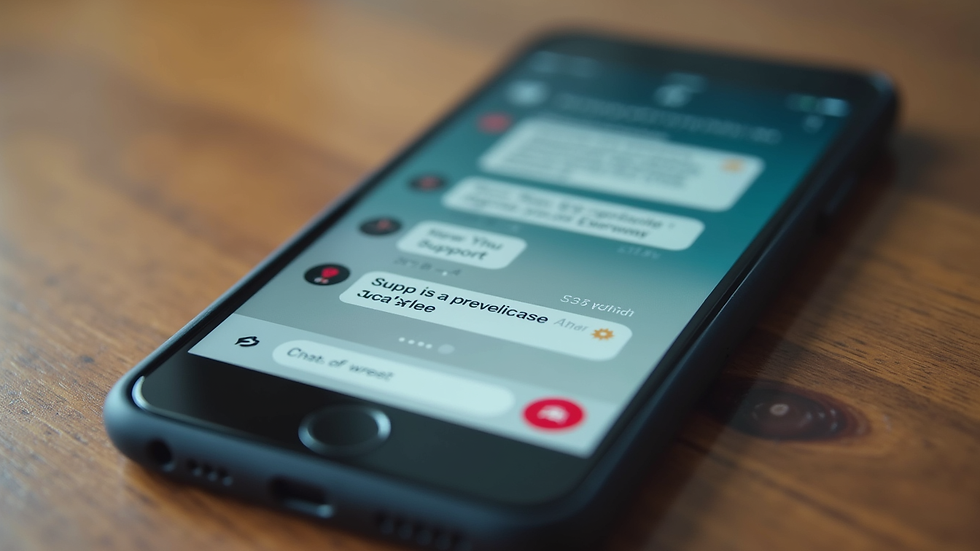
Accessibility: Choose a group that fits your schedule and preferred communication style (chat, video, forums).
Focus: Some groups cater to specific demographics or types of abuse, so find one that resonates with your situation.
Once you join, take your time. Lurk a bit, read posts, and get a feel for the vibe before jumping in. It’s your space, and you get to set the pace.
Practical Tips for Engaging in Online Support Networks
Joining an online support group is just the start. To get the most out of it, here are some handy tips:
Be honest but safe: Share what you feel comfortable with, but avoid giving out personal details that could compromise your safety.
Ask questions: Don’t hesitate to seek advice or clarification. Chances are, others have been there too.
Offer support: When you’re ready, lending an ear or sharing your story can be empowering for both you and others.
Use resources: Many groups provide links to hotlines, shelters, and legal aid. Bookmark these for quick access.
Set boundaries: If a conversation or topic feels triggering, it’s okay to step back or mute notifications.
Remember, healing is a journey, not a race. Celebrate small wins and be kind to yourself along the way.
Building a Community Where No One Faces Hardship Alone
At the heart of these online networks is a simple but powerful idea: community. When you connect with others who understand your struggles, you build a support system that can help you weather the storm. It’s about sharing strength, hope, and practical help.
Organizations like Whelpology are working hard to create spaces where vulnerable individuals, families, and even specific canine breeds can find support and resources. Whether it’s through youth shelters, advocacy, or online groups, the goal is to make sure no one has to face hardship alone.
If you or someone you know is dealing with domestic violence, remember that help is out there. Online support groups can be a first step toward reclaiming your life and finding peace.
So, why wait? Take that brave step today and explore the world of online domestic violence support networks. You deserve to be heard, supported, and empowered. And hey, we’re all rooting for you!

Comments